


 Click it and Unblock the Notifications
LPG Price in India
The Domestic LPG (14.2 kg) price in India (Mumbai) stands at ₹852.50. No change recorded in the LPG price compared to last month. The LPG price has remained unchanged at ₹852.50 since April 2025. Over the past 12 months, the LPG price trend has been increasing, with an increase of ₹50 from January 2025 to December 2025. The most significant price increase was ₹50 in April 2025.
LPG Price in India is determined by the state-run oil companies and is revised on a monthly basis. Almost all the household in India has a LPG connection and it is mainly used for cooking purpose. An increase in LPG prices will affect the common man in general as they have to bear the brunt of the rising fuel prices in the current market scenario. The best part of it is the government of India is currently providing subsidy on the sale of domestic LPG cylinders to the consumers. The subsidy amount is directly credited to the individuals bank account after the purchase of the cylinder. The subsidy amount varies every month and is dependent on the changes in the average international benchmark LPG prices added with the foreign exchange rate.
Today's LPG Price in Indian Metro Cities & State Capitals
| City | Domestic (14.2 Kg) | Commercial (19 Kg) |
|---|---|---|
| New Delhi | ₹853.00 ( 0.00 ) | ₹1,580.50 ( -10.00 ) |
| Kolkata | ₹879.00 ( 0.00 ) | ₹1,684.00 ( -10.00 ) |
| Mumbai | ₹852.50 ( 0.00 ) | ₹1,531.50 ( -10.50 ) |
| Chennai | ₹868.50 ( 0.00 ) | ₹1,739.50 ( -10.50 ) |
| Gurgaon | ₹861.50 ( 0.00 ) | ₹1,597.00 ( -10.00 ) |
| Noida | ₹850.50 ( 0.00 ) | ₹1,580.50 ( -10.00 ) |
| Bangalore | ₹855.50 ( 0.00 ) | ₹1,654.00 ( -10.50 ) |
| Bhubaneswar | ₹879.00 ( 0.00 ) | ₹1,724.50 ( -10.50 ) |
| Chandigarh | ₹862.50 ( 0.00 ) | ₹1,599.50 ( -10.50 ) |
| Hyderabad | ₹905.00 ( 0.00 ) | ₹1,801.50 ( -10.00 ) |
| Jaipur | ₹856.50 ( 0.00 ) | ₹1,608.50 ( -10.00 ) |
| Lucknow | ₹890.50 ( 0.00 ) | ₹1,703.00 ( -10.00 ) |
| Patna | ₹942.50 ( 0.00 ) | ₹1,829.00 ( -10.00 ) |
| Thiruvananthapuram | ₹862.00 ( 0.00 ) | ₹1,608.00 ( -10.00 ) |
State-Wise LPG Price in India
| State | Domestic (14.2 Kg) | Commercial (19 Kg) |
|---|---|---|
| Andaman & Nicobar | ₹929.00 ( 0.00 ) | ₹1,972.50 ( -10.00 ) |
| Andhra Pradesh | ₹877.50 ( 0.00 ) | ₹1,738.50 ( -10.00 ) |
| Arunachal Pradesh | ₹918.50 ( 0.00 ) | ₹1,806.50 ( -10.00 ) |
| Assam | ₹902.00 ( 0.00 ) | ₹1,775.50 ( -10.50 ) |
| Bihar | ₹942.50 ( 0.00 ) | ₹1,829.00 ( -10.00 ) |
| Chandigarh | ₹862.50 ( 0.00 ) | ₹1,599.50 ( -10.50 ) |
| Chhatisgarh | ₹924.00 ( 0.00 ) | ₹1,781.50 ( -10.00 ) |
| Dadra and Nagar Haveli and Daman and Diu | ₹867.50 ( 0.00 ) | ₹1,562.50 ( -10.00 ) |
| Delhi | ₹853.00 ( 0.00 ) | ₹1,580.50 ( -10.00 ) |
| Goa | ₹867.00 ( 0.00 ) | ₹1,645.00 ( -10.50 ) |
| Gujarat | ₹860.50 ( 0.00 ) | ₹1,641.50 ( -10.50 ) |
| Haryana | ₹854.50 ( 0.00 ) | ₹1,582.50 ( -10.00 ) |
| Himachal Pradesh | ₹898.50 ( 0.00 ) | ₹1,691.50 ( -10.00 ) |
| Jammu & Kashmir | ₹904.50 ( 0.00 ) | ₹1,722.00 ( -10.00 ) |
| Jharkhand | ₹910.50 ( 0.00 ) | ₹1,733.00 ( -10.00 ) |
| Karnataka | ₹855.50 ( 0.00 ) | ₹1,654.00 ( -10.50 ) |
| Kerala | ₹862.00 ( 0.00 ) | ₹1,608.00 ( -10.00 ) |
| Madhya Pradesh | ₹858.50 ( 0.00 ) | ₹1,585.00 ( -10.50 ) |
| Maharashtra | ₹852.50 ( 0.00 ) | ₹1,531.50 ( -10.50 ) |
| Manipur | ₹1,004.50 ( 0.00 ) | ₹2,027.50 ( -10.00 ) |
| Meghalaya | ₹920.00 ( 0.00 ) | ₹1,805.50 ( -10.50 ) |
| Mizoram | ₹1,005.00 ( 0.00 ) | ₹2,027.00 ( -10.00 ) |
| Nagaland | ₹872.00 ( 0.00 ) | ₹1,658.50 ( -10.00 ) |
| Odisha | ₹879.00 ( 0.00 ) | ₹1,724.50 ( -10.50 ) |
| Pondicherry | ₹865.00 ( 0.00 ) | ₹1,738.50 ( -10.00 ) |
| Punjab | ₹894.00 ( 0.00 ) | ₹1,687.50 ( -10.00 ) |
| Rajasthan | ₹856.50 ( 0.00 ) | ₹1,608.50 ( -10.00 ) |
| Sikkim | ₹1,005.50 ( 0.00 ) | ₹2,060.00 ( -10.00 ) |
| Tamil Nadu | ₹868.50 ( 0.00 ) | ₹1,739.50 ( -10.50 ) |
| Telangana | ₹905.00 ( 0.00 ) | ₹1,801.50 ( -10.00 ) |
| Tripura | ₹1,013.50 ( 0.00 ) | ₹2,041.00 ( -10.50 ) |
| Uttar Pradesh | ₹890.50 ( 0.00 ) | ₹1,703.00 ( -10.00 ) |
| Uttarakhand | ₹872.00 ( 0.00 ) | ₹1,633.00 ( -10.50 ) |
| West Bengal | ₹879.00 ( 0.00 ) | ₹1,684.00 ( -10.00 ) |
LPG rates in India
The LPG (Liquified Petroleum Gas) price in India is determined by the state run-oil companies and is revised on monthly basis. The price of LPG is important as it is directly liked with the kitchens of common people. LPG connect is present in almost every household and the hotels, restaurants for commercial use. A minor disturbance in the price could trigger a huge reaction across the country as they have to bear the brunt of the rising fuel prices. The price of LPG for domestic is different from the commercial. The commercial LPG is much more priced compared to domestic use LPG cylinder.
The exchange rate of the rupee versus the dollar and the worldwide benchmark rate are the two key factors that govern the price of LPG cylinders in India. Every family is entitled to up to 12 subsidized cylinders each year. If you need additional cylinders, you must pay the market price. The preceding month's worldwide market price determines LPG pricing in India.
In the current scenario, the government of India is providing the subsidy to its domestic customers. The best part of the subsidy is that the amount gets directly into the account of the beneficiary. The amount of the subsidy differs month to month, depending on changes in average international benchmark LPG prices plus the foreign currency rate. HP Gas, (by the Hindustan Petroleum Corporation Limited), Indane Gas (by Indian Oil Corporation Limited), and Bharat Gas, (by the Bharat Petroleum Gas) are top 3 LPG Gas cylinder connection providers in the country.
What is LPG?
The term LPG stands for Liquefied Petroleum Gas. It is also known as butane or propane. It is used as a fuel for cooking purpose apart from its use in heating equipment and for powering vehicles. The LPG is prepared by refining petroleum or wet natural gas and it is mostly derived from the fossil fuel sources.
It is manufactured during the refining of crude oil or it is extracted from the natural gas streams as they emerge from the ground or it is derived from petroleum products.
The Liquefied Petroleum Gas or LPG is recovered from the wet natural gas by absorption process. The recovered product usually has a low boiling point and should be distilled to remove the lighter fractions, later it has to be treated to remove carbon dioxide, hydrogen sulfide and water. The final finished product will be transported through the pipeline through specially built seagoing tankers. In some countries, transportation of the LPG will be done through rail, truck and barges.
The LPG cylinders which reach home for the domestic usage will be under relatively low pressures. In Europe, LPG water heaters have its presence largely. Apart from this, the bio-friendly fuel can also be used as an engine fuel and also for backup generators. The unique factor of LPG is it can be stored nearly for a long time without degradation.
The usage of LPG emits less carbon dioxide when compared with coal, petrol or heating oil which virtually emits black carbon and other particles to the environment. LPG acts as a driver of economic growth in most of the developing countries as well as in rural areas.
A countless number of people rely on liquefied petroleum gas due to its instant, reliable, transportable and constant energy factors. Increased usage of LPG will reduce desertification and deforestation.
LPG Production Process
LPG is made during a natural gas processing and oil refining process. It is separated from the unprocessed natural gas using refrigeration technique and later extracted from heated crude oil using a distillation tower. The LPG which is obtained can be used as it or it can be separated into its three primary parts namely – propane, isobutane and butane.
The Liquefied Petroleum Gas is usually stored pressurized in the form of liquid in cylinders or in tanks.
Constituents of LPG
LPG constitutes a group of flammable hydrocarbon gases which are liquefied through pressurization and is commonly used as a fuel. The following list of gases are also labelled under LPG and it includes butane, isobutane, propane and mixture of all these three.
The Liquefied Petroleum Gases can be stored in steel vessels ranging from small BBQ gas bottles to larger tanks and gas cylinders.
Main Uses of Liquefied Petroleum Gas (LPG)
LPG can be used for numerous purposes, important amongst them include
• In Homes, it is used for cooking, heating, BBQ
• Electricity Generation in the case of generators, Co-gen, Tri-gen and Gas Turbines
• Agriculture for greenhouses, flame weeding, crop drying
• Business & Industry for forklifts, ovens, boilers, furnaces
• Transportation for taxis, buses, autogas, commercial vehicles
• Live Stock for Poultry Sheds, Diaries, Piggeries and so on
Why is LPG used as Most Preferred Cooking Fuel?
The LPG is considered as the most preferred cooking fuel due to the following reasons:
• It burns readily and gives off instant fuel.
• The flame is visible in nature.
• The flame can be adjusted to meet the heating requirements easily.
• It can be transported from one place to another in pressurized containers.
• It is easy to store LPG in a cylinder.
• It consumes less space in the kitchen to store an LPG cylinder.
• It is non-toxic in nature when burned.
• It is unlikely to have any kind of harmful effect on the environment.
• It does not release soot when burned and hence vessels can be washed cleanly.
• It is one of the most economical fuel source found in nature.
• It burns very efficiently with very fewer combustion emissions and does not create black smoke.
• Replacement of a cylinder can be done easily without any hassles.
Primary LPG Cylinder Providers in India
The following state-run companies are the primary LPG cylinder providers in India.
Bharat Gas
Bharat Gas is run by Bharat Petroleum Corporation Limited. Is usually provides gas connections for domestic consumption across households in India. The company provides a dedicated web portal for its customers who can use the platform to apply for new connections apart from booking for new LPG cylinder. To secure a new connection, customers have to submit a list of documents that will determine their eligibility apart from regulating the eligibility for subsidy provided by the government of India. The connection can be transferred from one place to another across any part of the country and this facility is available to all the customer of Bharat Gas.
Indane Gas
Indane Gas is run by the state-run Indian Oil Corporation. If one is looking to get an LPG connection for household purpose then one can opt for Indane. The LPG connection under Indane is available to everyone on submission of the required documents to the nearest Indane Gas distributor. The distributor will scrutinize the documents and verify if the applicant is eligible to participate in the several schemes run by the government of India to secure the subsidized gas connections mainly to those individuals who qualify for the same. The registration for the purpose of securing the gas connection can be done either through online mode. Customers of Indane Gas can book for cylinders by personally visiting the Indane Gas Distributor and can thereon refill the cylinder by booking for them via the internet or through phone or using SMS (mobile) application.
The connection can be transferred from one place to another anywhere across the country as per the requirements of the customers.
HP Gas
The HP Gas is run by the state-run Hindustan Petroleum Corporation Limited. The company provides its customers with gas connections for household purpose across India. The customers are eligible for securing subsidy under the government scheme and according to the customers account will be credited with the subsidy amount post the purchase of the cylinder. One has to submit all the required documents which will be scrutinized thoroughly to check the eligibility for getting the subsidy under the government scheme. If the existing customers of HP Gas wish to change the gas connection from one place to another then the same will be done to any place across the country. For securing a new connection, one has to submit all the required documents as mentioned by the distributor of HP Gas at the time of submission of application form.
Required Documents for Securing New LPG Connection
The aspiring new customers have to submit the below-mentioned list of the document to secure a new LPG connection.
Proof of Identification Document (any one of the following)
• PAN Card
• Election Voter ID Card
• Aadhaar Card
• Passport
• Driving Licence
• Government Issued Photo ID Card
Proof of Address Documents (any one of the following)
• Driving Licence
• Ration Card
• Passport
• Lease Agreement
• Flat Allotment
• Self-declaration attested by a Gazetted Officer
• Aadhaar Card
• House Registration Document
• Rental Agreement Document
• Utility Bills like electricity, water bill, telephone bills
• Passport size photos
• Debit card or Credit card statement
• Bank Passbook
Limit on Domestic LPG cylinders
The Indian households are allowed to purchase up to 12 domestic LPG cylinders per year at subsidized rates.
If the consumers cross the set mark of 12 LPG cylinders per year, then they will be charged at a non-subsidized rates starting from the 13th cylinder.
How to book for an LPG cylinder?
Gone are those days, wherein consumers had to book for an LPG cylinder by personally visiting the distributor and waiting anxiously till the cylinder arrives near the doorsteps. The technology has helped both the customers as well as the distributors to deliver an LPG cylinder on time to the doorsteps of the consumer without any hassles.
There are several ways through which an individual can book for an LPG gas cylinder. They are
• Distributor Agency
• Online Mode
• Mobile App for Android and i-phones
• SMS Mode
• IVRS Mode
Distributor Agency
Customers can visit their respective distributor agent at their office and can book for a new refilled cylinder in person. This can be done by providing the customer number and the payment for the same can be made at the time of delivery of the cylinder.
Online Mode
Now booking for a cylinder is an easy job as one can sit comfortably at home and can book for a new cylinder by providing the user id and password post registration. All the oil marketers including – HPCL, BPCL, IOCL are providing an option for their esteemed customers to book for a new cylinder via their respective web portal. This will help the customers to refill the empty cylinders without much hassles of physically visiting the distributor’s store every time.
Customers who prefer to book online can even make payment for cylinders via online mode using their debit card or credit card or via net banking or through Paytm option. Some of the distributors are providing a discount on the maximum retail price of the cylinder when payment is made via online mode.
Advantages of Booking an LPG cylinder via Online Mode
• One can book from the comfort of home or office and need not physically visit a shop to book for the cylinder.
• Consumers can make payment via online mode through net banking or using debit/credit cards.
• One has to just visit the website of the LPG provider to book for a cylinder post registering.
• Post delivery of the cylinder, the consumer will get an SMS or email notification.
• It is a convenient process to refill an empty cylinder.
• One need not have to bear additional charges to book through online mode.
• Refilling of the cylinder can be done anytime from anywhere.
• It is one of the safe and convenient methods to book for a cylinder.
• Easy payment option.
• The delivery tracking system is available.
Mobile App for Android and i-phones
The customers who are using the smartphone can download the app of the respective gas distributor from the store and proceed further to refill the LPG gas cylinder booking through there.
The customer has to first register themselves on the mobile app by providing the correct mobile number, e-mail address and a one-time password (OTP) which will be sent to the phone number for authentication of the registration process. Once the app registration process is done, the customer can go ahead and book for refilling an empty cylinder and can choose to pay for the cylinder either through debit/credit card or via online mode or through net banking.
The mobile app contains all the details pertaining to customer ID, booking history and so on.
As there is an increase in the number of customers who are paying through online mode, the gas marketing companies have introduced e-wallet payment options to ease out the payment procedure for LPG cylinders.
SMS Mode
Customers who wish to book for an LPG refilled cylinder can do so via SMS mode. The first thing they have to do is to register their mobile number with the gas distributor, post this a particular format needs to be followed and an SMS has to be sent according to the said format while booking for a new cylinder.
All the gas distributors provide the specific numbers in their respective websites to which the customers can send in the request for a new cylinder through SMS.
For Example: If a customer is procuring cylinder through Indane, then the procedure for registering for booking is as follows. For the first time, the customer has to send an SMS IOC < STD Code + distributor’s landline telephone number> to xxxxxxxxxx. If the distributor’s landline number is 080 25586948 and the consumer number is YC24569V, then SMS should be sent in the following format: IOC 080 25586948 YC24569V to xxxxxxxxxx.
For subsequent bookings, send an SMS IOC to xxxxxxxxxx, whenever the booking is made.
IVRS Mode
The term IVRS stands for Interactive Voice Response System and is a kind of technology which allows the computer to interact with the human beings through the use of voice and Dual Tone Multi-Frequency (DTMF) tones input with the help of keyboard or by speech.
The customers can book for refilled LPG cylinder using IVRS and this facility is available across major cities in India. The system is simple yet efficient one which makes the booking procedure fast and helps the customer to order for a new refilled cylinder round the clock.
If the customer is using the IVRS for the first time, then they have to dial the specific IVRS number which has been particularly assigned to each of the distributors either from the mobile or through landline and then follow the steps to proceed further as guided by the voice response.
The IVRS offers the customer to choose the language option as the first step following which the customer has to enter the distributor’s phone number along with the STD code following this step one has to enter the 17 digit consumer number after this one has to select from the options and book for refilled LPG cylinder after this step the system will provide a reference number for refill booking and prompts the user to register the phone number for future use.
For further bookings, the registered users can dial the specific IVRS number which has been particularly assigned to each of the distributors from their registered phone number and proceed further by selecting the option through the interactive mode either for refill booking or for registering a complaint or for checking the status of the previous booking. If the customer chooses to refill booking option then the system will respond by providing the reference number for the same.
Types of LPG Cylinder in India
In India, the LPG cylinders are mainly differentiated into two types and they are
• Domestic LPG Cylinder
• Non-Domestic/Commercial LPG Cylinder
Domestic LPG Cylinder
The domestic LPG cylinder is mainly for domestic household and the same is available with all the gas distributors in the country. The prices of LPG is fixed by the state-run oil marketing companies and the same is arrived at based on currency exchange rate and crude prices at the global level. The LPG prices are regularly revised at the beginning of the month.
The domestic LPG cylinders are currently available to the users at subsidized rates. Due to the high rates of LPG cylinders the central government has stepped in and is providing all the LPG cylinders which are meant for domestic use at subsidized prices. In this process, the customer will have to pay the price which has been mentioned in the cash memo of the voucher issued by the distributor along with the delivery charges at the time of delivery of the LPG cylinder at one's doorsteps.
Post which the subsidy amount will be directly credited to the customer's bank account which has been linked with the gas connection. The domestic LPG cylinders are painted with red colour for easy identification and to avoid its usage for non-domestic purposes.
The subsidy amount on domestic cylinders depends on the city and it falls in the range between Rs 420 – Rs 465 for a 14.2 kg cylinder. In case of a non-domestic LPG cylinder, the subsidy rates fall between Rs 593 – Rs 605 per cylinder.
Domestic LPG Cylinders in India is available in
• 5 kgs
• 14.2 kgs
Commercial LPG Cylinders
The commercial LPG cylinders are the ones which are meant for its usage in non-domestic places which includes hotels, restaurants, industries, eatery joints, poultry, transportation, electricity generation, agricultural usage and so on. The prices of commercial LPG cylinders is fixed by the state-run oil marketing companies and the same is subject to revision on a regular basis. The crude rates at the global level and the currency exchange rate are the two main factors which are taken into consideration before arriving at the rates of commercial LPG cylinders in India.
The LPG cylinders are painted in blue colour for its easy identification.
The commercial LPG cylinders are priced high when compared to the ones which are used for the domestic purpose and these cylinders are not eligible to get a subsidy from the government.
Commercial LPG Cylinders in India are available in
• 5 kgs
• 19 kgs
• 47.5 kgs
How to link Aadhaar Card number with LPG Gas connection?
The Direct Benefit Transfer Scheme under the Pahal introduced by the Central government has mandated the consumers who use domestic LPG cylinders to link their Aadhaar number with the respective gas distributor with an intention to secure the subsidy amount through direct benefit transfer scheme.
One has to link the Aadhaar number correctly to the bank account and gas connection to enjoy the benefits of the subsidy scheme.
Customers can choose from any of the below-mentioned options to link their Aadhaar card number with the LPG connection.
• Offline Method
• Online Mode
• SMS Mode
• IVRS Method
Offline Method
The customers have to either take a print out of the online form or has to collect the LPG linking form from the local gas distributor with whom they have secured an LPG gas connection. Fill in all the details as mentioned in the form including 17 digit LPG consumer number and 12 digit Aadhaar number. Attach a self-attested photocopy of Aadhaar card along with the form. After filling in all the required details, submit the form to the gas distributor for linking the Aadhaar number with the gas connection.
Online Mode
The customer can link their Aadhaar card with the gas distributor through online mode as well. For this, one has to visit the Resident Self Seeding Portal of UIDAI and enter the location and residential address. Proceeding further, one has to choose the benefit type that is the distributor with the customer is associated with (HP or Bharat Gas or Indane Gas). After this, the customer has to fill in the personal details and after filling in all the required information one has to click on the submit button.
After this, the customer will get an OTP (One Time Password) on his/her registered mobile number with UIDAI, the same has to be entered in the online form for the final submission.
SMS Mode
One has to first visit the respective web portal of the LPG marketing agency (Bharat Gas or Hindustan Petroleum Gas or Indane Gas) and check for the list of contact numbers of various states available in their portal.
Note down the contact number of the state where you reside and send an SMS to the state’s contact number from the registered mobile number in the following format UID .
For Example: If the Aadhaar card number is 98765432101236, then the SMS format will be UID 98765432101236.
On sending the SMS in the above mentioned format, one will get a confirmation SMS informing about the successfully linking of Aadhaar number with gas connection.
IVRS Method
The customer has to follow the below-mentioned method to link an Aadhaar card number with the gas connection using IVRS method. One has to first visit the website portal of gas agency and find out the state from the list to get the IVRS contact number which usually differs from one distributor to another and also from one state to another. On getting the number, dial the number and follow the instructions as mentioned thereby entering the 12 digit Aadhaar number and by confirming the same by pressing 1 option and in this way, one can link the Aadhaar card with the respective gas distributor.
How to Book an Indane LPG Refill Cylinder using Amazon App?
Previously, the consumers of Indian Oil Corporation (Indane) could book LPG cylinders using several ways like IVR booking process, online process and so on. But now, the improved technology has helped the customers for booking an Indane cylinder online using Amazon App. Check for the steps below:
Step 1: First open the Amazon App on your mobile phone and select the ‘Pay Bills’ option.
Step 2: Now click on the ‘Gas Cylinder’ option.
Step 3: Now click on the ‘Select operator to Proceed’ further.
Step 4: After selecting the respective LPG service provider i.e Indane, enter your Registered Mobile Number or Indane LPG ID in the given box.
Step 5: Click on the ‘Get Booking Details’ button.
Step 6: The details of the Customer Name, Dealer Name and Bill amount will reflect on the screen.
Step 7: Now click on the ‘Continue’ option.
Step 8: Here you will have to select the payment option at your convenience. The available options for payment include UPI/Net Banking; Add Debit/Credit/ATM Card; Pay of Delivery; Amazon Pay Balance. After selecting the appropriate payment method, click on the ‘Place Order and Pay’ option.
Step 9: You have successfully placed an order for refilled Indane LPG cylinder using the Amazon App.
Pros of using Liquified Petroleum Gas
- LPG is non-toxic and hence user friendly.
- It's non – corrosive and hence suitable for cooking purpose.
- The engines which use LPG will have minimal vibration.
- LPG burns cleanly and the emission of particulate is very less.
- It has a high octane rating (over 100 research octane number).
- Frequent cleaning of the combustion chamber is not necessary.
- It is easy to handle LPG gas.
- The fuel efficiency is high and fastens heat-up time.
- It is easily transportable.
Cons of using Liquified Petroleum Gas
- Risk of explosion is present.
- Irregular supply of LPG is a backdrop.
- The costlier upfront cost involved.
- Sometimes cylinders are filled incompletely.
- In case of leakage, it leads to suffocation (liquefied petroleum gas is heavier than air).
- It is hazardous owing to its inflammable nature.
- Costlier when compared with Compressed Natural Gas (CNG).
- LPG has to be supplied in a heavy steel cylinder.
Why Should one use LPG?
Liquefied Petroleum Gas or LPG as it is popularly known as is one of the best forms of fuel which can be used for domestic purpose. Some of the unique facts about LPG form it as the best source of fuel for cooking.
The fuel is cheaper and cleaner than wood, charcoal. It does not pollute the environment and hence is safer to use at home without any callous. Apart from cooking, LPG can also be used for engine vehicles.
More efficient combustion property of LPG makes people go for it, without having any second thought. Easy to handle feature of LPG fuel also makes it user friendly.
All than a user has to do is to manage the gas flow instantaneously by switching on the knob and switching it off when not required. It provides the best control to the individual who is cooking to regulate the flame based on the requirement of the cooking.
Easier availability in India also makes LPG one of the most preferred form of cooking fuel.
How to Book LPG Cylinder Using Umang App?
Follow the below-mentioned steps to book an LPG Cylinder using the Umang app:
Step 1: First, download the Umang app from Google Play Store or Apple App Store on your smartphone.
Step 2: After successfully downloading the app, register yourself by verifying your mobile number.
Step 3: Select all the required details like the name of your service provider. You can even search for it too. Do ensure you have an account created on your service provider’s web portal.
Step 4: Proceed further and tap on the 'Refill order' and confirm your details by clicking on the' Confirm' button.
Step 5: The consumer can also opt for a cash-on-delivery option. Whichever, option the consumer selects, tap on 'Order Now' or tap on the 'Pay Now' button.
How to Book LPG Refill Cylinder using Amazon App?
Previously, the consumers of LPG cylinders were booking for a refilled cylinder through the IVR booking process. But now, they can even book for cylinder online using Amazon App.
Check for the steps below:
Step 1: First open the Amazon App on your mobile phone and select the ‘Pay Bills’ option.
Step 2: Now click on the ‘Gas Cylinder’ option.
Step 3: Now click on the ‘Select operator to Proceed’ further.
Step 4: After selecting the respective LPG service provider, enter your Registered Mobile Number or LPG ID in the given box.
Step 5: Click on the ‘Get Booking Details’ button.
Step 6: The details of the Customer Name, Dealer Name and Bill amount will reflect on the screen.
Step 7: Now click on the ‘Continue’ option.
Step 8: Here you will have to select the payment option at your convenience. The available options for payment include UPI/Net Banking; Add Debit/Credit/ATM Card; Pay of Delivery; Amazon Pay Balance. After selecting the appropriate payment method, click on the ‘Place Order and Pay’ option.
Step 9: You have successfully placed an order for refilled LPG cylinder using the Amazon App.
How to Book an LPG Cylinder using Paytm app?
The LPG customers can book a refilled LPG Cylinder easily using the Paytm app by following the below steps:
Step 1: First download the Paytm app on your mobile phone.
Step 2: Open the Paytm app and go to the gas booking page.
Step 3: Now select the “Book a Cylinder” option and your respective service operator.
Step 4: Proceed further and enter your ‘Consumer Number/Linked Mobile Number’ in the given space.
Step 5: Select your respective ‘Gas Agency’ and click on the ‘Proceed’ option.
Step 6: Now enter the booking amount.
Step 7: Proceed to make payment with your preferred payment mode.
Step 8: A message will get displayed informing you about the successful booking of a refilled LPG cylinder on the screen.
Know how to check Indane Gas Booking Status Online?
Consumers can keep themselves updated on the status of their online refill booking of Indane Gas or for a new connection. One has to follow the below-mentioned list of steps:
Step 1: First, log on to the official web portal of Indane Gas.
Step 2: Use your respective login credentials and access your private account on the Indane site (existing customers).
Step 3: Now click on the option which states ‘View Order History' and click on the relevant order for which you prefer to know the status.
Step 4: Now you can find the refill booking status of Indane Gas through online.
Pradhan Mantri Ujjwala Yojana (PMUY)
The PMUY or Pradhan Mantri Ujjwala Yojana was launched by the Ministry of Petroleum and Natural Gas to provide LPG connections to households below the poverty line (BPL). Under the PMUY scheme, users will be eligible to secure Rs 1,600 for each of the LPG domestic connection, interest-free loan to purchase a gas stove and refill the cylinder.
The government of India will be bearing the administrative cost of the LPG connection.
Beneficiaries of PMUY
The main beneficiary of the Pradhan Mantri Ujjwala Yojana will be a woman who belongs to the BPL family and does not have an LPG connection in her name. But that particular women should be included in the SECC 2011 list or under the seven identified categories like Forest Dwellers, SC/ST households, people residing in river islands, Tea and Ex-Tea Garden Tribes, AAY, Most Backward Classes (MBC).
Eligibility Criteria for PMUY
One should fulfil the below-mentioned list of criteria to be eligible for securing the benefits of PMUY.
- The beneficiary should be an Indian citizen.
- Should have attained the age of 18 years.
- Should not be availing any benefit under other similar schemes.
- The beneficiary should be a woman belonging to a below poverty line family.
- The beneficiary should not have an LPG connection in her name.
- The name of the beneficiariy should be included under the list of BPL households under SC/ST households, AAY, SECC 2011, Most Backward Classes (MBC), people residing in river islands, forest dwellers, Tea and Ex-Tea Garden Tribes.
Procedure to Link Aadhaar to LPG for Bharat Gas Connection
Linking of Aadhaar to LPG for Bharat Gas through Distributor Agency
- First, download the Aadhaar linking with LPG form from the official website of Bharat Gas.
- Take a print-out of the form.
- Proceed further and duly fill in all the necessary details indicated in the form.
- Now enclose all the required documents like aadhaar card, identification card, passport, residential address proof, proof of identification, bank account details, utility bill, and so on along with the form.
- Visit your nearest Bharat Gas distributor and submit the form along with documents.
- The completed application can be dropped in the at the box at the distributor's office.
- Linking Aadhaar to Bharat Gas Connection through IVRS
Firstly, call up the Bharat Gas call centre and link aadhaar via IVRS (interactive voice response system). Each of the districts in India is designated with different IVRS and customers will have to check the IVRS number allotted to their particular region from the list as provided by the gas agency in their respective web portals.
Linking Aadhaar Card to Bharat Gas via UIDAI website
- Firstly, visit the official website of UIDAI.
- Download the form to link aadhaar card with LPG connection.
- Duly fill in all the details like residential address after selecting the state and district.
- Now choose the type of benefit from the given list.
- Proceed further and enter all the personal details including that of Aadhaar Card number.
- After this click on the ‘Submit’ button.
- Now fill in the OTP which will be sent to your registered mobile number for the final submission of your application form.
Surrendering LPG Connection
The government of India has made a move to ensure that every household in the nation has fair access to the essential cooking gas accessibility through LPG connection. Hence it has cracked down hard on those who individuals who have multiple connections in the same name.
To fix the issue of multiple LPG connections, the government rolled out surrendering option for households which have numerous ones.
Let’s check the procedure to Surrender Multiple LPG Connection.
Surrendering an LPG Connection through the manual process is an ardent process as it consumes too much of time hence the state-run oil companies have come up with the procedure wherein customers can surrender the same through online mode.
- First, log in to your respective LPG supplier’s web portal.
- Fill in all the details in the particulars column and submit it.
- The supplier will come and collect the LPG cylinder form your residential address.
- In most of the houses, both husband and wives would have registered for one connection each, so there will have two LPG connections at the same residential address.
- The voluntary surrendering of the LPG connections is reported widely in the country. So far, over 10 lakh connections have been blocked and redistributed.
- How to surrender Bharat Gas LPG Connection?
Following are the few common reasons and procedures to follow for surrendering Bharat Gas LPG Connection.
Change of Residence in the same city:
If you have an LPG connection registered at one particular address in a city and if you decide to move to another residence in the same region. Firstly you should first reach out to your existing Bharat Gas distributor and request for a Transfer Advice which is also known as TA.
The TA obtained from the existing gas distributor should be taken to the new distributor covers the residential area of your new house and submit the form there.
Now the new distributor will ask you to fill in a form and submit the same with the passport size photographs.
The new distributor will issue a subscription voucher (SV) which will have all the relevant details of both the distributor and subscriber.
In this case, the customer need not have to surrender the regulator of the cylinder as they will be changing their residence with in the same city.
Indane Gas Booking Status
How to Check Indane Gas Booking Status
With the increase in the number of consumers of LPG cylinders, the state-run oil marketing companies have introduced several ways to check the status of gas bookings.
Procedure to Check Indane Gas Booking Status via Online
The consumers can track the status of the online refill booking of LPG Cylinder or a new gas connection for Indane gas by following the below-mentioned steps:
- Firstly, log on to the official web portal of Indane Gas.
- The user has to use the login credentials and sign in to access their private account.
- Now click on the option ‘View Order History' and click on the relevant order form which you prefer to know the status.
- You can view the refill booking status online on the screen.
Procedure to Check Indane Gas Booking Status via Indane App
The Indane App provides a range of services to the customers at their fingertips. The advancement of technology has helped the LPG providers to serve the customers promptly. If in case, the users opt to check the Indane gas booking status in a faster and smarter way, all they have to do is to download the app on their Android-powered smartphone or Apple iPhone. Open the Google Play Store or App Store and search for Indane.
Once successfully downloading and installing the app, a set of instructions will be available to the user. The user can refill the LPG cylinder, check or inquire about their Indane gas booking status using an interactive smartphone-based system.
Procedure to Check Indane LPG Gas Booking Status using IVRS
The Interactive Voice Response System (IVRS) tells us the status of the order booking. Follow the below-mentioned steps to check the status of gas booking via IVRS.
- First, dial the number listed below in the list of IVRS numbers for Indane distributors for each city based on the location.
- Once getting connected with IVRS, select the preferred language option.
- The system will ask the user to identify the distributor.
- Now enter the telephone number of the distributor with the STD code of your respective city.
- On successful identification of the distributor, the system will now try to identify and authenticate the customer.
To do so, the user will have to enter the numerical part of the customer number.
- Based on your location, the ICR will prompt the user to enter the exact customer number.
Checking Indane Gas Subsidy Status Online
The customers of Indane Gas have to first visit the official web portal of Indane and click on the option ‘Check PAHAL status’.
Here customers can check their status via two options:
In the first case, you can provide the name of the distributor, Aadhaar number, LPG ID, consumer number and click on the proceed option.
In the second case, the customer has to provide details related to the state, district, distributor, consumer number and click on the proceed option, the status will get displayed on the screen.
The Connection Between Crude Oil and LPG Prices
The pricing of LPG in India is intricately linked to the fluctuations in global crude oil prices. As a refined petroleum product, LPG's cost structure is heavily influenced by the price per barrel of crude oil in the international markets. When oil prices surge, the cost to produce and distribute LPG increases, leading to higher prices for consumers and businesses that rely on this source of energy. Conversely, a dip in global oil prices can lead to reduced LPG costs, offering some relief to the Indian market.
This relationship is further compounded by the role of government policies and subsidies, which aim to buffer consumers from the immediate effects of global price volatility. The Indian government has implemented various mechanisms, including subsidies, to make LPG more affordable for its population. However, these measures can only partially mitigate the impact, and significant fluctuations in oil prices often translate to changes in LPG rates.
Recent Trends and Their Impact
Recent trends in the global oil market have demonstrated how sensitive LPG prices are to changes in crude oil costs.
For instance, geopolitical events, changes in oil production levels by major exporters, and global economic conditions can lead to sudden and sharp fluctuations in oil prices. These changes are quickly felt in the Indian LPG market, affecting both the cost to consumers and the overall economy.
The Indian government's efforts to manage the impact of these fluctuations include adjusting the subsidy levels and exploring alternative energy sources to reduce dependence on imported oil. Nevertheless, the core relationship between global oil prices and LPG costs remains a critical area of focus for policymakers, industry stakeholders, and consumers alike.
Conclusion
Understanding the dynamics between global oil prices and LPG costs in India is essential for comprehending the broader economic and policy challenges facing the country. As India continues to navigate its path towards energy security and economic stability, the ability to adapt to and mitigate the effects of volatile oil prices will be crucial. This intricate interplay underscores the importance of strategic planning and policy formulation in safeguarding the interests of Indian consumers and the economy at large.
Why Does India LPG Rates Today stay unaffected by international markets?
In the past the central bank and governments have experienced the global market scenarios having exponential rise and decline in crude oil, metals and other commodities. Whenever there is a slight uncertain scenario in regards to production or supply of raw materials, all the industries aligned in the chain have implications. Similarly, if there are war-like situation in oil exporting counties, or political conflicts by global powers, the demand for international crude oil is evident to increase. A sharp rise at global level would push for oil companies to increase the domestic cost of the petroleum products, having snowball impact on fuel-related sectors and household LPG consumption.
In order to curb these uncertain scenarios, the Indian government have intelligently followed the sustainable pattern of regulating fuel prices in the country.
Petrol, Diesel, CNG and LPG prices in India today are controlled and dictated by the central government. The regulations ensure the market participants doesn't exploit the situation. The best way for regulatory ministry to have a grip on LPG prices in India is by the percentage of tax levied on these commodities. A high tax slab would result in higher cost and ultimately LPG prices would rise according to the tax updated by either central or state governments. In contrast, during times of elections, India LPG rates are among the traditional methods for political parties to gain confidence from residents, paving way for higher-vote margin against the opposition. However, India LPG rates now are expected to remain stable until the mid-year and might increase after the election phase ending by June 2024.
What is 2024 expected to bring for LPG prices in India?
India LPG prices today have variations depending on the region offering the natural gas services and the supplier. Urban regions hosting much more LPG consumers than rural areas have higher prices and less subsidies from the government. Today the prices in urban Maharashtra, Telangana, Delhi, Rajasthan have expensive LPG than poor and backward regions of Bihar, Jharkhand, Chhattishgarh and North-east states. India's well-established LPG refueling system and increasing number of direct supply in both household and commercial sectors would push for a stable growth in LPG prices in India for 2024.
In contrast, the availability of wood, coal, bio gas and other alternatives might keep the lower-income groups away from refueling the LPG cylinders ahead. However, the demand from rising urban population with government support at rural levels for decreased prices and subsidies would ensure that LPG consumption remains increasing for the year ahead.
According to a recent report, there has been almost two-fold increase in LPG consumption in India since 2013, rising from 15.6 million metric tonnes to 28.5 million metric tonnes by 2023.
The current government claims to allocate more subsidies and support for LPG in rural areas, especially in states like Rajasthan, Madhya Pradesh, Uttar Pradesh and Karnataka. The push from the administration for LPG consumption through various state and central government schemes would keep the LPG prices in India today stable, despite the uncertain oil demand and prices noted in global markets.
Why Does India LPG Prices Today Stay Higher Than Other Northern Cities?
India is well-known for the demand and ever increasing consumption of crude oil products in the world. The country demands 80-85% of the country's crude oil requirement from international market, which makes it a major factor that determines the local LPG rates in India today. As per economic laws, a high demand in open markets, pushes for increasing prices and a lower price range for commodities and precious metals tend to increase the overall demand. News reports point out the country have this year again witnessed a consistent growth in LPG usage, with favourable steps taken by the government.
Comparably the demand drives the LPG prices in India today higher, which is then sustained with the government intervention, especially in times of elections. An average one connection of LPG can feed a family of four for almost four to five weeks, which itself indicates the level of significance of LPG rates in India today. Hence, due to multiple factors and especially due to the strong potential for inelastic demand within the country, India LPG rates today stay at par with the national average. Sometimes, the hike and fall in LPG prices in India and other regions of the state is mainly to ensure the government treasury or tax collection is maintained as per the expected inflation.
A slight complication or disruption from global markets can lead to panic buying in major countries.
The collective increased demand for crude oil from major buyers like USA, Japan, China and UK, especially the dependency of these developed nations for crude oil, would push for international crude oil prices higher and having a similar impact on LPG prices in India ahead.
Impact of LPG Price Hike on Indian Households' Budget
Households across India are feeling the strain as Liquefied Petroleum Gas (LPG) prices rise. The recent hike has affected the budgets of families relying on LPG for cooking. This increase comes at a time when inflation is already impacting daily expenses.
The Petroleum and Natural Gas Regulatory Board announced the price rise last month. The new rates have added an extra burden on household finances, making it difficult for families to manage their monthly budgets.
Many middle and lower-income households are hit hardest by this change. They have limited disposable income and are now forced to cut down on other essential expenses. Food, education, and healthcare budgets are likely to be adjusted to accommodate the higher LPG costs.
According to recent studies, an average household in India consumes around 6 to 8 LPG cylinders annually. With the price increase, families are expected to spend significantly more on cooking fuel each year.
Experts suggest that this could lead to a surge in the use of traditional cooking methods like wood and kerosene. These alternatives are not only less efficient but also pose health risks due to increased indoor pollution.
The government has been urged to provide subsidies or financial relief to cushion the impact on vulnerable families. Such measures could help ensure that basic cooking needs are met without compromising on other essential expenses.
In urban areas, the impact of the price hike is somewhat mitigated by higher income levels. However, rural households, which form a significant part of the population, face greater challenges.
Access to alternative energy sources is also limited in these regions, exacerbating the situation.
Despite the price hike, LPG remains one of the cleanest and most convenient cooking fuels available. Efforts to promote its use have been part of broader initiatives to improve air quality and reduce reliance on biomass.
The current scenario highlights the need for a balanced approach. Policymakers must consider both the economic and environmental aspects of energy supply to ensure sustainable development.
In conclusion, the rising LPG prices have placed an additional financial burden on Indian households. It is crucial for the government to address this issue and consider measures to support affected families, ensuring that their basic needs are met without undue hardship.
What Are The Factors That Affect LPG Price In India?
LPG prices in India are influenced by several factors, including international market dynamics, currency fluctuations, geopolitical tensions, and government policies. Usually, an increase in the international price of LPG or the depreciation of the rupee leads to higher LPG prices domestically. Apart from that, the geopolitical tensions, such as the Middle East war and the political uncertainties can also drive up LPG and crude oil prices in India, as global LPG prices often move in tandem with crude oil, a key raw material.
Additionally, the government’s procurement policies, such as providing up to 12 subsidized cylinders under the Pradhan Mantri Ujjwala Yojana, significantly impact LPG prices in India. There are also issues with LPG pricing mechanisms; for instance, the suitability of the import parity price mechanism is debated, and allegations of cartelization by oil and gas corporations contribute to price increases. Despite having different structures and operating models, dominant state-owned Oil Marketing Companies (OMCs) often charge similar prices for LPG in India.
The price of LPG in India is always determined by an ample number of factors but usually the international demand and supply dynamics play a pivotal role.
FAQs ON LPG PRICE IN India
What is the current LPG price in India?
Today, the LPG price in Mumbai, India, is ₹852.50 for a 14.2 kg cylinder.
Which state in India has the lowest LPG price?
As of now, Tamil Nadu (Krishnagiri) have the lowest LPG price in India at ₹848.50 for a 14.2 kg cylinder.
Which state in India has the highest LPG price?
Today, Tripura (Dhalai) has the highest LPG price in India at ₹1030.50 for a 14.2 kg cylinder.
What is the cost of a 14.2 kg LPG cylinder in India today?
On December 19, 2025, the price of a 14.2 kg LPG cylinder in Mumbai, India, is ₹852.50.
Latest Updates on LPG Price
LPG prices in India are seeing a shift, particularly for commercial cylinders, following the recent Diwali celebrations. As of now, the cost of a 19 kg commercial LPG cylinder in Delhi has risen by Rs. 62/-, now standing at Rs. 1,802/-, compared to the previous price of Rs. 1,740. Smaller cylinders have also experienced price hikes, with the 5 kg Free Trade LPG (FTL) cylinder increasing by Rs. 15. However, households can breathe a sigh of relief as the price of the 14.2 kg domestic LPG cylinder remains unchanged, still at Rs. 802.50.
The new LPG prices in India took effect on November 1st, and this change is expected to have a significant impact on businesses and establishments that rely heavily on LPG for their operations. Just last month in October, a price increase was already implemented, and it was met with considerable discontent from the public. This trend of rising costs not only affects business owners but also has the potential to increase prices for consumers, making it a challenging time for everyone involved in the LPG supply chain.
U.S. natural gas futures experienced a notable drop, falling sharply in tandem with a broader selloff across the energy sector.
The latest figures indicate that natural gas futures settled at $2.663, reflecting a decrease of $0.451, or a significant 14.48%. A period of geopolitical stability has led to a decline in natural gas prices as traders shift their attention toward mild weather forecasts and substantial storage levels. Analysts are predicting further downward movement in prices
3 November 2024
Domestic LPG prices in Karnataka have remained unchanged today, with the average price for a domestic cylinder standing at Rs. 805.50. However, commercial LPG prices in Karnataka have seen a significant increase recently of Rs. 48.50/- across all major cities in the state. In the capital city Bengaluru the domestic cylinder is priced at Rs. 805.50/- whereas the Commercial connection costs Rs. 1818/-. Other major cities, Dharwad, Chikmagalur, Mysore, the prices are Rs. 822/-, Rs. 813/-, Rs. 807.50/- respectively for domestic connections.
The price of domestic LPG in Karnataka has remained unchanged, while commercial LPG cylinders have seen two price increases in the state so far this year. The recent increase in the price of 19 kg commercial LPG cylinders has faced significant backlash, as it is expected to put considerable pressure on various industries, including food and other sectors that rely on LPG for their operations.
Natural gas prices have experienced a sharp decline as traders react to the prospect of milder-than-expected weather conditions. The anticipated mild weather forecast for the United States has weakened demand for natural gas, putting downward pressure on futures prices and creating a bearish market sentiment. The reduced demand for heating fuel has contributed to a surplus of natural gas in the market, leading to a decline in prices.This recent price drop could have significant implications for energy markets and industries that rely on natural gas.
17 October 2024
Domestic LPG prices in Karnataka have remained unchanged today, with the average price for a domestic cylinder standing at Rs. 805.50. However, commercial LPG prices in Karnataka have seen a significant increase recently of Rs. 48.50/- across all major cities in the state. In the capital city Bengaluru the domestic cylinder is priced at Rs. 805.50/- whereas the Commercial connection costs Rs. 1818/-. Other major cities, Dharwad, Chikmagalur, Mysore, the prices are Rs. 822/-, Rs. 813/-, Rs. 807.50/- respectively for domestic connections.
The price of domestic LPG in Karnataka has remained unchanged, while commercial LPG cylinders have seen two price increases in the state so far this year. The recent increase in the price of 19 kg commercial LPG cylinders has faced significant backlash, as it is expected to put considerable pressure on various industries, including food and other sectors that rely on LPG for their operations.
Natural gas prices have experienced a sharp decline as traders react to the prospect of milder-than-expected weather conditions. The anticipated mild weather forecast for the United States has weakened demand for natural gas, putting downward pressure on futures prices and creating a bearish market sentiment. The reduced demand for heating fuel has contributed to a surplus of natural gas in the market, leading to a decline in prices.This recent price drop could have significant implications for energy markets and industries that rely on natural gas.
17 October 2024
LPG prices in West Bengal have experienced a surge, particularly affecting commercial cylinders. The average cost for domestic connections now stands at Rs. 829/-. Commercial LPG prices in West Bengal increased by Rs. 49/- jumping to Rs. 1,850/-. Howrah has maintained stable domestic rates at Rs. 830.50/-, and Purulia remained at Rs. 858/- . Some other major cities like Maldha, Darjeeling and Bankura also saw no change in domestic LPG prices and are currently at Rs. 900/-, Rs. 858/-, Rs. 956/-.
A recent report indicates that India's imports of liquefied petroleum gas (LPG) have experienced a substantial 60% increase over the past five years. This surge is primarily driven by a rapid rise in domestic demand, coupled with a stagnant domestic supply. While LPG prices in West Bengal and other regions of India remain relatively stable for residential use, the commercial sector has witnessed two significant price hikes recently, particularly ahead of the festive season. These price increases are expected to have a negative impact on the market, potentially leading to further price adjustments.
Oil prices have rebounded slightly following a sharp drop earlier in the week. The recent increase is primarily attributed to escalating geopolitical tensions and growing concerns about potential disruptions to energy infrastructure.
Natural gas prices are also attempting to recover as traders capitalize on recent price gains. The combination of geopolitical factors and China's efforts to increase natural gas demand has created a volatile environment for both oil and natural gas markets, contributing to price uncertainty.
17 October 2024
LPG prices in Tamil Nadu today for the domestic connections have remained relatively stable. The 14.2 kg cylinders used in Common household cost Rs. 818.50/-, while commercial 19 kg cylinders are priced at Rs. 1,913/-. There has been a major increase of Rs. 49/- per kg in commercial LPG rates in Tamil Nadu, while domestic prices have remained unchanged. LPG rates in Major Cities of Tamil Nadu such as Coimbatore, Madurai, Salem, and Vellore are Rs.832/- , Rs. 844/-, Rs. 836.50/-, Rs. 840/-.
The report highlights that India's GDP growth for the fiscal year 2024 reached a remarkable 8.2%, exceeding the government's initial projection of 7.3%. The recent surge in commercial LPG prices is expected to have a negative impact on businesses and industries that rely on LPG for their operations. This could result in increased costs for businesses, which may ultimately be passed on to consumers in the form of higher prices for goods and services.
Cooler weather conditions prevailing across the Midwest and Northeast regions have provided a temporary boost to natural gas futures prices. However, the overall market sentiment for natural gas remains bearish. Meanwhile, oil prices continue to face downward pressure due to a slowdown in Chinese demand and ongoing geopolitical tensions in the Middle East.
As traders take profits from recent natural gas price increases, the market's focus shifts towards the broader bearish trend.
17 October 2024
LPG prices in Uttar Pradesh have seen a recent increase. Domestic connections now cost around Rs. 840.50/- per cylinder, while commercial cylinders have risen by Rs. 49 to approximately Rs. 1800-2000. Khushinagar has recorded the highest LPG prices In Uttar Pradesh, with domestic cylinders at Rs. 873.50/- and commercial ones at Rs. 1937/-. Other major cities like Lucknow, Mathura have similar prices, ranging from Rs. 840.50/- to 812/- for domestic connections.
While domestic LPG prices in Uttar Pradesh have remained relatively stable, an increase in commercial cylinder prices has been met with disapproval. This hike poses challenges for businesses and consumers alike. To address the energy needs of underprivileged households, the government launched the Ujjwala scheme. This initiative aims to provide LPG connections to the poor, empowering them with a cleaner and more efficient cooking fuel.
The natural gas market experienced a slight decline at the start of the trading week, following a period where the hurricane was a primary market driver. As the hurricane's impact wanes, attention shifts towards the approaching winter in the United States. Natural gas prices dropped significantly by 5.13%, closing at 210.9. This decline was attributed to forecasts predicting milder weather and reduced demand for the upcoming week compared to earlier projections.
15 October 2024
The LPG prices in India currently are undergoing some massive volatility. While the prices of the Domestic Cylinders remained unchanged the commercial cylinders saw a rise in prices recently .On October 15th, 2024, a 14.2 kg domestic LPG cylinder in Delhi was priced at Rs. 803/-. While domestic LPG prices in India remained relatively stable, commercial cylinders experienced a modest increase of Rs.48.50/-, reaching Rs. 1,750/-. In Mumbai, LPG prices mirrored this trend, with domestic cylinders at Rs. 802.50 and commercial cylinders at Rs. 1,692/-. Other major states like Kolkata, Chennai, and Hyderabad followed a similar pattern as the LPG prices in India , with domestic cylinder rates currently at Rs. 829, Rs. 818.50, and Rs. 855, respectively.
The Indian LPG market has experienced substantial growth in recent years, fueled by government initiatives and rising consumer adoption. According to a report, the number of LPG connections in India increased significantly from 14 crore in 2014 to over 33 crore in 2024. This remarkable growth can be attributed in large part to the Pradhan Mantri Ujjwala Yojana (PMUY), a government program launched to provide LPG connections to underprivileged households.
The international natural gas market is currently facing downward pressure due to the uncertainty surrounding Hurricane Milton.
Crude oil prices also declined on Monday following China's announcement of a lower-than-expected Consumer Price Index (CPI) for September. The CPI increase of only 0.4% suggests weaker consumer spending in China, a significant factor in global energy demand.
15 October 2024
LPG prices in Maharashtra today for domestic connections is currently at Rs. 802.50-. The price of the 19 kg Commercial cylinders saw a hike of Rs. 49.50/- to reach around Rs. 1692- 1933 level. In the capital city Mumbai, the domestic cylinder is priced at Rs. 802.50/- whereas the Commercial LPG Prices in Maharashtra costs Rs. 1692.50/-. LPG prices in Other major cities like Nagpur, Aurangabad, Solapur mirrored the trend and the prices are Rs. 854.50/-, Rs. 811.50/-, Rs. 842.50/- respectively for domestic connections.
A recent report indicates that LPG consumption in India reached a new record high in 2023, increasing by 2.3% to 28 million metric tonnes compared to the previous year. Meanwhile, LNG consumption is expected to grow significantly by 6-8% annually in the fiscal year 2025. The Oil Marketing Companies (OMCs) responsible for determining LPG prices in India are Bharat Petroleum Corporation Limited, Hindustan Petroleum Corporation Limited, and Indian Oil Corporation Limited. While domestic LPG prices in Maharashtra have remained relatively stable, a recent increase in commercial LPG prices has faced backlash. This increase has been attributed to various factors, including rising global crude oil prices and increased demand for commercial LPG.
The natural gas market has experienced a moderate decline, with prices falling by 5.13% to close at 210.9.
This downward trend can be attributed to several factors. Reduced factory activity due to economic slowdown has weakened demand for oil and natural gas, which are essential for industrial production. Additionally, milder weather conditions have decreased the need for heating, further impacting natural gas consumption.
15 October 2024
Domestic LPG prices in Bihar have remained unchanged today, with the average price for a domestic cylinder standing at Rs. 808.50/-. However, commercial LPG prices In Bihar have seen a significant increase of Rs. 49/- across all major cities in the state. The price for commercial connection stood at Rs.1697/-. Domestic cylinders weighing 14.2kg in other major cities in Bihar like Gaya, Aurangabad and Patna mirrored the trend and the prices are Rs. 900/-, Rs. 899.50/-, Rs. 892.50/- respectively for domestic connections.
The LPG rates in Bihar have remained unchanged for domestic connections, while the commercial segment has witnessed two significant increases. This surge in commercial LPG prices is primarily driven by a heightened demand for LPG and petrol. LPG, which is widely used for cooking and heating, has seen a substantial increase in consumption, potentially due to increased adoption in rural areas and rising living standards. This disparity between domestic and commercial LPG prices in Bihar has significant implications for industries that rely heavily on LPG, such as hospitality, catering, and manufacturing.
The commodity market is currently bearish, anticipating a decline in natural gas prices. However, natural gas prices have shown resilience, with a slight increase in early Monday trading.
This upward movement can be attributed to several factors, including the ongoing impact of the hurricane and the essential role of natural gas in industrial production. Reduced factory activity due to economic slowdown has weakened demand for natural gas, but other factors, such as geopolitical tensions and supply constraints, may be counteracting this downward pressure.
15 October 2024
LPG prices in Bihar have experienced a surge, particularly affecting commercial cylinders. The average cost for domestic connections now stands at Rs. 892.50. In some of the cities like Supaul and Saharsa, domestic cylinders prices are highest within the state at Rs. 833/-, while commercial cylinders prices in Bihar increased by Rs. 49/- jumping to Rs. 1,995/-. Patna has maintained stable domestic rates at Rs. 892.50/-, and Nalanda remained at Rs. 885/- .
The state of Bihar, characterized by its Low income substantial population, exhibits a considerable demand for liquefied petroleum gas (LPG). A significant segment of Bihar's rural population relies on subsidized LPG cylinders to fulfill their cooking requirements. Recent market trends indicate a marginal decline in Indian natural gas futures on the Multi Commodity Exchange, with the current price settling at Rs. 391/-.
U.S. natural gas futures witnessed a pullback on Friday, retreating from multi-month highs. The price decline of over 3.5% was primarily driven by profit-taking among traders and persistent oversupply in the market. Weak demand for natural gas further contributed to the bearish price movement.
5 October 2024
- Aadhaar Card Centres in Bangalore
- Aadhaar Card Centres in Chennai
- Aadhaar Card Centres in Delhi
- Aadhaar Card Centres in Mumbai
- Aadhaar Card Centres in Kolkata
- Aadhaar Card Centres in Hyderabad
- Aadhaar Card Centres in Pune
- Aadhaar Card Centres in Vadodara
- Aadhaar Card Centres in Trivandrum
- Aadhaar Card Centres in Jaipur
- Aadhaar Card Centres in Lucknow
- Aadhaar Card Centres in Ahmedabad
- Aadhaar Card Centres in Coimbatore
- Aadhaar Card Centres in Vizianagaram
- Aadhaar Card Centres in Madurai
- Aadhaar Card Centres in Patna
- Aadhaar Card Centres in Nagpur
- Aadhaar Card Centres in Chandigarh
- Aadhaar Card Centres in Surat
- Aadhaar Card Centres in Bhubaneswar
- Aadhaar Card Centres in Mangaluru
- Aadhaar Card Centres in Visakhapatnam
- Aadhaar Card Centres in Nashik
- Aadhaar Card Centres in Mysore
- Aadhaar Card Centres in Indore
-
 LPG Prices From December 1: 19 KG LPG Prices Cut By Rs 10-11; No Change In 14.2 LPG; City-Wise Comparison
 -
 LPG Prices From November 1: 19 Kg LPG Cylinder Prices Cut By Rs 4.5 To Rs 6.5; 14.2 Kg LPG Unchanged
 -
 LPG Prices From October 1: 19 KG LPG Cylinder Prices Hiked By Rs 15.5-16.5 Before Diwali After 6-Month Cut
 -
 LPG Prices In India Alert: Will 19KG And 14.2KG LPG Cylinder Prices Fall Or Rise In October? Find Out!
 -
 LPG Prices From September 1: 19 kg LPG Prices Cut By Rs 50.5 To Rs 51.5; No Change In 14.2 Kg LPG; Check Rates
 -
 Good News For PM Ujjwala Beneficiaries! Govt Approves Rs 12,000 Cr Outlay; How To Apply For Free LPG Scheme?
 -
 LPG Prices From August 1: 19KG LPG Cylinder Prices Cut By Rs 33-35 In Major Cities; Check Latest LPG Prices
 -
 LPG Prices From August 1: Will 14.2KG & 19KG LPG Cylinder Prices Rise Or Fall Next Month?
 -
 LPG Prices From July 1: How To Book New LPG Connection At Indian Oil; Check 19KG, 14.2KG Cylinder Prices Here
 -
 LPG Prices Cut From July 1: 19 kg Cylinder Prices Down Rs 138-144 In 4 Months; Latest Rates & How Much You Pay
 -
 LPG Prices July 2025: Will 14.2 KG and 19 KG LPG Cylinder Prices Rise Or Fall From July 1?
 -
 LPG Price Cut June 1: Commercial LPG Cylinder Gets Rs. 24 Cheaper, Check New LPG Cylinder Rates City-Wise
 -
 LPG Prices Per Cylinder: Will 14.2 KG, 19 KG LPG Prices Rise Or Fall In June 2025?
 -
 No Need For Panic Buying, Ample Fuel Stock: Indian Oil Reassures Public During Heightened India-Pak Rift
 -
 LPG Prices From May 1: 19Kg Cylinder Prices Cut By Rs 14.5-17; 14.2 Kg LPG Unchanged; Check New Rates
 -
 LPG Prices From April 1: Big Cut In 19Kg LPG By Rs 41-44.5 Per Cylinder; How To Apply For New Connection?
 -
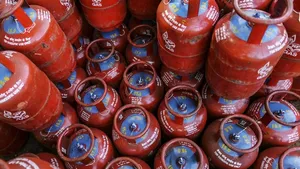 LPG Prices From March 1: 19KG LPG Cylinder Prices Hiked By Rs 5.5-6; ATF Prices Revised; Check New Rates
-
Block for 8 hours
-
Block for 12 hours
-
Block for 24 hours
-
Don't block

 Sign in with Google
- Male
- Female
- Others
- Under 18
- 18 to 25
- 26 to 35
- 36 to 45
- 45 to 55
- 55+