


 Click it and Unblock the Notifications
Bank Holidays in Sikkim 2026
Banks in Sikkim will remain closed on the upcoming Second Saturday, February 14, 2026, followed by Losar, February 18, 2026. Another closure is scheduled for the Fourth Saturday, February 28, 2026. It is advisable to complete essential banking tasks ahead of these dates to avoid any inconvenience.
In Sikkim, there are 49 bank holidays in total which includes second and fourth Saturdays. The state is covered in mountainous regions near the Himalayas. Its a unique place since its the tiniest state of India and has more than 5000 species flora scattered across the densely forested region. Some of the rare breeds of Orchids are visible in these forest.
The Capital of Sikkim is Gangtok which has a population of more than 1,50,000 urban population. Hindusim and Vajrayana Buddhism are the major religion within the state. Yuksom has the oldest monastery in Sikkim and is one of the most peaceful places to visit for experiencing untouched nature and pristine beauty. Sikkim is an ideal destination for nearby people to visit during their bank holidays.
Sikkim doesn't have their own airport which makes it difficult for international tourist to visit the state. However, the nearest airport to the capital city is some 135 kms away named Bagdogra airport in West Bengal.
Upcoming Holidays
-
 Second SaturdayFeb 14, 2026
 -
 LosarFeb 18, 2026
 -
 Fourth SaturdayFeb 28, 2026
List of Bank Holidays in Sikkim 2026

| Date | Day | Holiday |
|---|---|---|
| Upcoming Bank Holidays in 2026 | ||
| February 14 | Saturday |
|
| February 18 | Wednesday |
|
| February 28 | Saturday |
|
| March 03 | Tuesday |
 |
| March 14 | Saturday |
|
| March 21 | Saturday |
 |
| March 27 | Friday |
 |
| March 28 | Saturday |
|
| April 03 | Friday |
 |
| April 11 | Saturday |
|
| April 14 | Tuesday |
 |
| April 25 | Saturday |
|
| May 09 | Saturday |
|
| May 16 | Saturday |
 |
| May 23 | Saturday |
|
| June 13 | Saturday |
|
| June 27 | Saturday |
|
| July 11 | Saturday |
|
| July 13 | Monday |
 |
| July 25 | Saturday |
|
| August 08 | Saturday |
 |
| August 15 | Saturday |
 |
| August 22 | Saturday |
|
| September 04 | Friday |
 |
| September 12 | Saturday |
|
| September 13 | Sunday |
 |
| September 26 | Saturday |
 |
| October 02 | Friday |
 |
| October 10 | Saturday |
|
| October 18 | Sunday |
 |
| October 19 | Monday |
 |
| October 20 | Tuesday |
 |
| October 21 | Wednesday |
 |
| October 24 | Saturday |
|
| November 01 | Sunday |
 |
| November 08 | Sunday |
 |
| November 11 | Wednesday |
 |
| November 14 | Saturday |
|
| November 28 | Saturday |
|
| December 12 | Saturday |
|
| December 25 | Friday |
 |
| December 26 | Saturday |
|
| December 30 | Wednesday |
 |
| Completed Bank Holidays in 2026 | ||
| January 01 | Thursday |
 |
| January 10 | Saturday |
|
| January 14 | Wednesday |
 |
| January 19 | Monday |
 |
| January 24 | Saturday |
|
| January 26 | Monday |
 |
Bank Holidays in Sikkim 2026

Sikkim Bank Holidays in February 2026

Sikkim Bank Holidays in January 2026
January in Sikkim is vibrant with celebrations and holidays. The month begins with New Year's Day, a time for fresh starts. Makara Sankranti follows, marking the sun's northward journey. Republic Day honours India's democratic spirit. Sonam Losar celebrates the Tibetan New Year with joy. The Second and Fourth Saturday Bank Holidays offer rest. Losoong Namsoong is a harvest festival, celebrated over three days. Nyenpa Guzom, a Sikkim bank holiday, signifies spiritual harmony. Each event reflects cultural richness and unity, making January a special time in Sikkim.
Makara Sankranti Bank Holiday
On Wednesday, Jan 14, 2026, Sikkim will observe Makara Sankranti. It is listed as a Makara Sankranti Sikkim bank holiday for all banks. Many government offices may also remain shut that day. People plan travel, prayers, and family meets around this important harvest festival across towns and rural hill villages.This Makara Sankranti bank holiday marks the sun's new journey. It moves into Makara, or Capricorn, in the zodiac. For many in Sikkim, the day brings holy river baths. Simple home rituals, local fairs, and shared sweets honour nature, cattle, and fresh winter crops, strengthening community bonds and seasonal blessings.
Sonam Losar Bank Holiday
On Monday, Jan 19, 2026, Sikkim observes Sonam Losar. This important festival marks the New Year for the Tamang community. The day is recognised as a Sonam Losar Sikkim bank holiday. Government offices, schools, and many businesses remain closed. People use this time for prayer, family gatherings, and cultural events.It is a regional Sonam Losar bank holiday in Sikkim. Families clean homes and wear bright traditional dress. Monasteries hold rituals with music and dance. The festival symbolises hope, good harvests, and harmony. The day strengthens local cultural pride and shared community bonds. It reflects faith, history, and nature’s cycles.
Republic Day Bank Holiday
Republic Day marks the birth of India’s Constitution and values. On Monday, Jan 26, 2026, Sikkim will observe a Republic Day Sikkim bank holiday. Government offices, schools, banks and businesses will stay closed. This national event honours democratic rights, equal justice and unity in all regions and communities everywhere.People in Sikkim mark this Republic Day bank holiday with pride. Morning flag hoisting, parades and songs recall India’s freedom fight. Children learn about leaders who shaped the Constitution. Streets and buildings display the tricolour. The day reminds citizens about liberty, brotherhood and duty. These values remain central to the nation’s future.
Losar Bank Holiday
Losar in Sikkim is marked as a public holiday. On Wednesday, 18 February 2026, banks and many offices will remain closed. This Losar Sikkim bank holiday lets people welcome the Tibetan New Year. Families meet, wear bright clothes, and share special food and drinks.The Losar bank holiday holds deep cultural value in the state. Monasteries hold prayers for peace and good fortune. People clean homes and set up offerings. Traditional dances and music fill streets and courtyards. The day marks a fresh start, with hopes for health, harmony, and prosperity in the coming year.
Holi Bank Holiday
On Tuesday, 3 March 2026, Sikkim observes a public holiday for Holi. This important festival marks the triumph of good over evil. Across the state, people celebrate with colours, songs, and sweets. Government offices, schools, and many businesses stay closed, reflecting the day’s cultural and religious importance for families and communities across Sikkim.The Holi Sikkim bank holiday lets residents enjoy traditional customs peacefully. Banks and financial services pause, noting Holi’s deep social meaning. It is a major Holi bank holiday in India’s Northeast. It supports shared joy, renewal and harmony. Communities unite through colour, music, prayer and festive meals.
Idul Fitr Bank Holiday
On Mar 21, 2026, Saturday, Sikkim observes Idul Fitr. The state government announces an Idul Fitr Sikkim bank holiday. Banks, offices, and schools remain closed for the celebration. Idul Fitr marks the end of Ramadan fasting. Families gather for special prayers in local mosques. People wear new clothes and share sweet dishes.Idul Fitr is a time for kindness and peace. Neighbours visit and exchange warm greetings. Children receive gifts and money packets. The Idul Fitr bank holiday lets communities celebrate without hurry. It also honours the spirit of charity, patience, and unity across Sikkim on this important festival day.
Ram Navami Bank Holiday
On Friday, 27 March 2026, banks in Sikkim close. The day marks Ram Navami, a major Hindu festival. It marks the birth of Lord Rama, an avatar of Vishnu. This Ram Navami Sikkim bank holiday lets people join prayers. Families gather at temples and homes across the Himalayan state.Across Sikkim, devotees read the Ramayana and sing bhajans. Many observe fasts and offer sweets, flowers and fruits. Temple bells ring from dawn, creating a peaceful, holy mood. This Ram Navami bank holiday supports tradition, culture and community feeling. Public life slows, as people reflect on duty and virtue.
Good Friday Bank Holiday
On Friday, 3 April 2026, Sikkim will observe Good Friday.This solemn Christian day marks the crucifixion of Jesus Christ.Churches hold special prayers, and many people spend time in silence.Shops and offices may work differently because of the Good Friday bank holiday.Citizens use this quiet time for reflection and family gatherings.The day is recognised as a Good Friday Sikkim bank holiday.Government offices, banks and several institutions usually remain closed.This break helps people attend services and follow traditional customs.Good Friday highlights themes of sacrifice, compassion and hope for believers.Its message of peace is respected across many communities in Sikkim.
Dr Ambedkar Jayanti Bank Holiday
On 14 April 2026, Tuesday, Sikkim will observe Dr Ambedkar Jayanti. It is listed as a state bank holiday. This day marks the birth of Dr B.R. Ambedkar. He helped draft the Constitution of India. His ideas still guide laws and social reforms. Citizens across Sikkim honour his legacy with calm respect.The Dr Ambedkar Jayanti Sikkim bank holiday has deep meaning. It recalls his work for Dalits and other poor groups. Schools, offices and many banks stay closed on this day. People read his speeches and share stories of social change. The Dr Ambedkar Jayanti bank holiday also highlights ongoing rights struggles.
State Day Bank Holiday
On May 16, 2026, a Saturday, Sikkim will observe State Day, marked as a public holiday across the state. This important date remembers Sikkim’s formal joining with India. The State Day Sikkim bank holiday lets people pause regular work and honour the region’s modern journey in the Indian Union.The State Day bank holiday holds deep cultural and political meaning. Government offices, many schools and some businesses stay closed, while local events mark the state’s history, leaders and people. For many residents, the day reflects pride in Sikkim’s identity, peaceful progress and unique place within India’s diverse federal structure.
Bhanu Jayanti Bank Holiday
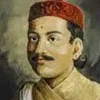
On Monday, 13 July 2026, Sikkim will observe Bhanu Jayanti. This day marks the birth anniversary of poet Bhanubhakta Acharya. Government offices, schools and many businesses remain closed statewide. The Bhanu Jayanti Sikkim bank holiday shows respect for Nepali culture. It underlines shared history, language pride and strong literary traditions.The festival highlights unity among Sikkim's diverse communities and traditions. Devotees recite his poems and join music, dance and plays. The Bhanu Jayanti bank holiday offers time for quiet reflection. Families discuss language pride, history and cultural identity at home. Artists, writers and students honour his legacy through creative programmes.
Tendong Lho Rum Faat Bank Holiday
On 8 August 2026, Saturday, Sikkim marks Tendong Lho Rum Faat.This important cultural observance is a state-wide Tendong Lho Rum Faat Sikkim bank holiday.The day honours Mount Tendong, believed to protect people from harm.Communities gather for prayers, rituals, and storytelling, sharing hope and gratitude.This Tendong Lho Rum Faat bank holiday reflects deep Lepcha traditions and faith.Legends say the sacred hill once saved them from a great flood.The festival highlights respect for nature, local history, and spiritual belief.It remains a proud symbol of Sikkim’s unique cultural identity.
Independence Day Bank Holiday
On Saturday, 15 August 2026, banks in Sikkim close. The day marks India's Independence Day, a key national event. People recall the long freedom struggle and its heroes. Streets fill with flags and bright colours. Schools and offices host songs, parades, and short events.This Independence Day Sikkim bank holiday follows central rules on leave. The special Independence Day bank holiday lets staff join local events. Families gather for simple home rituals and sweet dishes. News reports explain major speeches and honours. Many citizens reflect on rights, duties, and hope for peace. During this key national day for the entire country.
Janmashtami Bank Holiday
On Friday, 4 September 2026, banks in Sikkim close. The closure marks Janmashtami, the birth of Lord Krishna. This major Hindu festival brings prayer, fasting and song. People remember Krishna’s life and teachings. Families decorate homes and visit temples. Streets glow with lights, colour and shared devotion. Children feel joy.This Janmashtami Sikkim bank holiday lets communities celebrate together. It is part of the wider Janmashtami bank holiday across India. Many follow regional customs and watch cultural plays. Children enjoy stories of Krishna’s childhood. The bank holiday supports reflection, peace and respect for spiritual tradition. Neighbours share sweets and greetings.
Hartalika Teej Bank Holiday
On Sunday, 13 September 2026, Sikkim will observe Hartalika Teej.This auspicious festival marks the devotion of Goddess Parvati.Married and unmarried women pray for marital harmony and happiness.The day is known for fasting, songs and simple rituals.It brings families together in faith and quiet celebration.As per the official calendar, it is a Hartalika Teej Sikkim bank holiday.This Hartalika Teej bank holiday allows people to join community prayers.Banks and many offices will remain closed across the state.Public life will move at a slower, more reflective pace.
Indra Jatra Bank Holiday
On Sep 26, 2026, Saturday, Sikkim observes Indra Jatra. This traditional festival honours Lord Indra, the god of rain. Colourful dances, music and masked processions fill the streets. The Indra Jatra Sikkim bank holiday lets people join prayers. It also marks hope for good harvests, safety and blessings everywhere today.During Indra Jatra, families visit temples and offer simple gifts. Priests chant mantras seeking peace and regular rainfall. Elders share stories about local myths and ancient kings. The Indra Jatra bank holiday supports community unity in Sikkim. It preserves culture, faith, and memories through songs, dance and festivals for all.
Gandhi Jayanti Bank Holiday
On Friday, Oct 02, 2026, Sikkim observes Gandhi Jayanti. This day is marked as a Gandhi Jayanti Sikkim bank holiday. Most major banks remain closed. People remember Mahatma Gandhi’s role in India’s freedom struggle. Many citizens take time to read his life stories. Schools and offices often hold short events of respect.The Gandhi Jayanti bank holiday highlights Gandhi’s ideals of peace. People recall his message of truth and non violence. Across Sikkim, prayer meetings honour his simple way of living. Public spaces display his sayings and photos. News reports revisit key moments of his life. For many readers, the day brings quiet thought.
Maha Ashtami Bank Holiday
Maha Ashtami is a major Hindu festival in India. It honours Goddess Durga's power and victory over evil. On this day, many devotees observe fasts, prayers and rituals. In many regions, cultural programmes and community feasts are held. The atmosphere becomes vibrant with chants, incense and traditional music.According to the official calendar, Oct 19, 2026 is a Monday. On this day, Sikkim observes a notified public bank holiday. The Maha Ashtami Sikkim bank holiday allows peaceful religious observances. People visit temples, perform special pujas, and seek divine blessings. This recognised Maha Ashtami bank holiday reflects the festival's deep significance.
Maha Navami Bank Holiday
On Tuesday, Oct 20, 2026, Sikkim observes Maha Navami. Many banks and offices remain shut for this major festival. This Maha Navami Sikkim bank holiday marks the last day of Durga Puja. People honour Goddess Durga’s victory over evil forces. Families gather, visit temples, and offer prayers for peace.Across Sikkim, the Maha Navami bank holiday supports community rituals. Schools and government offices usually follow the same schedule. Local markets may open later, focusing on festive needs. This special day highlights cultural unity and spiritual reflection. It remains one of the state’s most revered observances.
Vijaya Dashami Bank Holiday
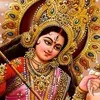
On Wednesday, Oct 21, 2026, banks in Sikkim close.This is for the Vijaya Dashami Sikkim bank holiday.Vijaya Dashami marks the victory of good over evil.Many people pray, visit temples, and meet family and friends.The Vijaya Dashami bank holiday brings peace and reflection.It comes after the nine days of Navratri worship.People in Sikkim enjoy cultural events and local rituals.The day also marks the end of Durga Puja.
Diwali Bank Holiday
On Sunday, Nov 08, 2026, Sikkim marks a key observance. The Diwali Sikkim bank holiday falls on this date. It brings a pause to many services. Diwali is the festival of lights, joy and hope. Families gather and share sweets. They light lamps that symbolise victory of good.Across the state, markets glow with colours, flowers and rangoli art. The Diwali bank holiday lets people focus on rituals and prayer. Many visit temples, seek blessings and remember legends of Lord Rama. This special day also highlights community ties. Neighbours meet, exchange wishes and celebrate together. Homes shine with diyas through the night.
Christmas Day Bank Holiday
Christmas Day falls on Friday, 25 December 2026, in Sikkim. The government has declared a Christmas Day Sikkim bank holiday. Banks and many offices will stay closed. People use this day for prayer, rest, and family time. Streets and churches often shine with lights and stars.Christmas marks the birth of Jesus Christ. It is a key festival for Christians in India. The Christmas Day bank holiday supports peace, joy, and goodwill. Many people share simple meals and gifts. Music, carols, and midnight services are common. This day highlights unity across cultures and faiths in Sikkim.
Tamu Losar Bank Holiday
Sikkim marks Tamu Losar on Wednesday, Dec 30, 2026. It is an official bank holiday in the state. This Tamu Losar Sikkim bank holiday welcomes the Gurung New Year. The day links to Buddhist customs and mountain life. Offices, schools and banks stay closed across towns and villages. Travel reduces.The Tamu Losar bank holiday highlights rich Gurung culture and faith. Families gather, share food and light lamps for good luck. Traditional music, dance and colourful dress fill streets and monasteries. For many citizens, this festival brings prayer and community bonding. It brings hope for a peaceful year in Sikkim.
Second Saturday Bank Holiday
In Sikkim, the Second Saturday bank holiday is a significant day for many. Falling on the second Saturday of each month, this holiday allows bank employees to rest and recharge. The Second Saturday Sikkim bank holiday is observed across the state, ensuring uniformity in banking operations. This day off is crucial for maintaining work-life balance and enhancing productivity. It also provides an opportunity for families to spend quality time together, fostering stronger community bonds.
Fourth Saturday Bank Holiday
In Sikkim, the Fourth Saturday bank holiday is a significant day for many. This monthly break allows employees to rest and recharge. The Fourth Saturday Sikkim bank holiday is observed across the state, giving people a chance to spend quality time with family and friends. This practice ensures a balanced work-life routine, promoting well-being and productivity. Understanding the importance of these holidays helps in appreciating their role in our busy lives.
About Sikkim
Sal and bamboo trees are also very popular in the region. Sikkim's economy is mostly agrarian with maize, wheat, barley among the popular crops grown in the country. Sikkim has the lowest population among all states found in India. A majority of the state's population is Hindu, though there is a significant amount of Buddhists and Christians also in the state. Dishes based with noodles, momos, chowmein are very popular in the state. Alcohol is consumed very widely in Sikkim.

Places to Visit in Sikkim
Gangtok
It is the capital city located in the eastern Himalayas and one of the most visited tourist destination of the state. Not just for city dwellers, this city is quite popular among nature lovers as well. He city offers tourist activities like river rafting, cable car rides, mountain biking, and trekking. People keen about Buddhism and Sikkim's cultural history must visit some of the beautiful monasteries like Rumtek and Enchey during their bank holidays.
Tsomgo Lake
Tsomgo Lake is also called as Changu Lake, which is around 38 kms far from the state's capital. The lake is one of the highest lakes in India standing at an altitude of more than 12,000 fts above the sea-level. At such heights, it is advisable to visit the lake during summer time to experience the ultimate beauty as the lake develops a frozen layer during the harsh winters.
Khangchendzonga National Park
Khangchendzonga National Parks is a Biosphere Reserve and listed as one of the UNESCO World Heritage site of India. Its listed as a Mixed Heritage and named after the third highest peak in the world, Kangchenjunga. The national Park falls in Mangan District and hosts multiple mammal species like Musk Deer, Snow Leopard, Dhole, Sloth bear, Himalayan Blue Sheep and Red Panda. It's a unique destination for animal and overland lovers to visit this place during bank or public holidays.
Nathula Pass
Nathula Pass is situated on the Indo-Tibetian Border where vehicles travel at a height of more than 14,000 kms above the sea-level. It is famous among tourist for its picturesque beauty and snow-covered environment. During winters, the temperatures here can drop below -20 degrees and tourists are requested to visit this state on bank holidays by during summers with sufficient woolen clothes.
Pelling
Pelling is a beautiful town in the western part of Sikkim. In recent years, due to the hospitable weather conditions and services in the city, it has become the second biggest tourist attraction of the state. It offers adventures activities like mountain biking, trekking, and rock climbing. Its a popular destination for nature lovers to visit during bank and public holidays.
On this page
- Bank Holiday in Andaman and Nicobar
- Bank Holiday in Andhra Pradesh
- Bank Holiday in Arunachal Pradesh
- Bank Holiday in Assam
- Bank Holiday in Bihar
- Bank Holiday in Chandigarh
- Bank Holiday in Chhattisgarh
- Bank Holiday in Dadra and Nagar Haveli
- Bank Holiday in Daman and Diu
- Bank Holiday in Delhi
- Bank Holiday in Goa
- Bank Holiday in Gujarat
- Bank Holiday in Haryana
- Bank Holiday in Himachal Pradesh
- Bank Holiday in Jammu and Kashmir
- Bank Holiday in Jharkhand
- Bank Holiday in Karnataka
- Bank Holiday in Kerala
- Bank Holiday in Lakshadweep
- Bank Holiday in Madhya Pradesh
- Bank Holiday in Maharashtra
- Bank Holiday in Manipur
- Bank Holiday in Meghalaya
- Bank Holiday in Mizoram
- Bank Holiday in Nagaland
- Bank Holiday in Odisha
- Bank Holiday in Puducherry
- Bank Holiday in Punjab
- Bank Holiday in Rajasthan
- Bank Holiday in Sikkim
- Bank Holiday in Tamil Nadu
- Bank Holiday in Telangana
- Bank Holiday in Tripura
- Bank Holiday in Uttar Pradesh
- Bank Holiday in Uttarakhand
- Bank Holiday in West Bengal
-
 Banks, NBFCs & Insurers Brace For Budget 2026: 7 Game-Changing Moves The Street Is Watching
 -
 Ignoring These Hidden Charges Can Turn Good Home Loan Deal Costly
 -
 RBI Proposes Major Changes in Banks’ Dividend Policy, May Allow Them to Distribute 75% of PAT
 -
 RBI Proposes New Norms to Cap Banks' Dividend Payout at 75 Percent of Net Profit
 -
 Bank Holiday Today: Are Banks Closed Today, Friday, September 12? Here’s What RBI Says
-
Block for 8 hours
-
Block for 12 hours
-
Block for 24 hours
-
Don't block

 Sign in with Google
- Male
- Female
- Others
- Under 18
- 18 to 25
- 26 to 35
- 36 to 45
- 45 to 55
- 55+