


 Click it and Unblock the Notifications
CNG Pump in Tamil Nadu
Compressed Natural Gas or CNG is being used extensively over the last couple of years in vehicles which has been benefiting fleets across the globe. When compared with other vehicles which depend on conventional forms of fuel like diesel, petrol, gasoline, and natural gas vehicles, the usage of CNG-fitted vehicles has reduced emissions considerably to a great extent apart from bringing down the maintenance cost of a vehicle by as much as 50 per cent.
CNG Gas Filling Stations in Tamil Nadu - Location Wise List
What is the shelf life of CNG cylinders?
Way back in the 1990s, the natural gas vehicle (NGV) industry created the CNG cylinder certification standards. The cylinders were manufactured to meet the original version of the standard version. But over the last 15 years natural gas vehicles were labelled with the requirements set with a note “not to be used after” a specific date. The 1998 revisions have extended the CNG cylinder’s life certification to 20 years.
Many countries across the world have already adopted similar standards for CNG cylinders. These tanks cannot be recertified after they reach their expiry date which is set at the time of manufacturing and must be taken out of service upon reaching their expiry date. Following the set standard will leave the owner of the CNG cylinder to take two options either to replace the cylinder or retire the same.
- CNG Pump Stations in New Delhi
- CNG Pump Stations in Kolkata
- CNG Pump Stations in Mumbai
- CNG Pump Stations in Chennai
- CNG Pump Stations in Gurgaon
- CNG Pump Stations in Noida
- CNG Pump Stations in Bangalore
- CNG Pump Stations in Bhubaneswar
- CNG Pump Stations in Chandigarh
- CNG Pump Stations in Hyderabad
- CNG Pump Stations in Jaipur
- CNG Pump Stations in Lucknow
- CNG Pump Stations in Patna
- CNG Pump Stations in Thiruvananthapuram
- CNG Pump Stations in Ahmedabad
- CNG Pump Stations in Coimbatore
- CNG Pump Stations in Mysore
- CNG Pump Stations in Nagpur
- CNG Pump Stations in Nashik
- CNG Pump Stations in Pune
- CNG Pump Stations in Surat
- CNG Pump Stations in Vadodara
- CNG Pump Stations in Vijayawada
-
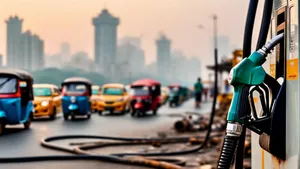 Mumbai CNG Pumps See Rush After Gas Pipeline Damage Disrupts Supply
 -
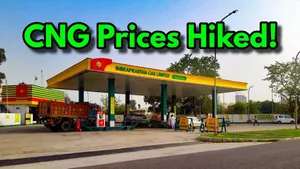 CNG Prices Hike: IGL Increases CNG Prices By Rs 1 Per Kg In Delhi-NCR, Ghaziabad, More Cities; Full Rates Here
 -
 Delhi: Ban Petrol, Diesel, CNG Two-Wheelers, Phase Out CNG Autos, Recommends Draft EV Policy 2.0
 -
 Lumax Completes Acquisition of 60% Stake in Greenfuel Energy's Alternate Fuel Business for Rs 153 Crore
 -
 Lumax Resource Completes 60% Stake Acquisition in Greenfuel Energy's Alternate Fuel Business for Rs 153 Crore
 -
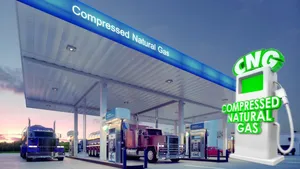 CNG Price Hiked By Rs 2 In Mumbai, Other Cities; Election Bound-Delhi Spared
 -
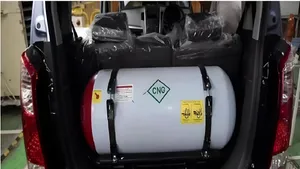 CNG Prices In New Delhi, Haryana, Uttar Pradesh, Other States; Indraprastha Gas Hiked Prices By Rs 1 Per Kg
 -
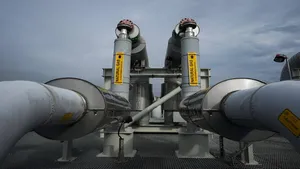 BUY GAIL-Backed PSU Natural Gas Stock For Rs 1,565 Target, Up 22% YTD; Motilal Oswal
 -
 250% Dividend Soon: PSU Stock Below Rs 450 To BUY, Natural Gas Share IGL Gets Rs 470-490 Target
 -
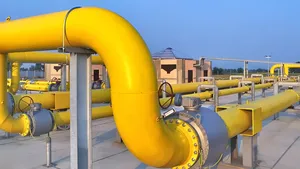 Indraprastha Gas Q4 Results: Net Profit Rises 9% to Rs 433 Crore;Dividend Reveals Rs 5 Sh
-
Block for 8 hours
-
Block for 12 hours
-
Block for 24 hours
-
Don't block

 Sign in with Google
- Male
- Female
- Others
- Under 18
- 18 to 25
- 26 to 35
- 36 to 45
- 45 to 55
- 55+