The Nifty PSU Bank index traded on a mixed note as the merger buzz took the limelight. The Indian government aims at having fewer PSU banks but world-scale levels. Recently, the Finance Minister has also confirmed the work has begun to evaluate a potential big bank merger. On November 10, 2025, the PSU Bank index traded marginally lower. Stocks like Bank of Maharashtra, SBI, Punjab & Sind Bank, UCO Bank, Central Bank of India, and PNB traded in red. Other PSUs are in green but with limited gains.
PSU Bank Stocks:
At the time of writing, Nifty PSU Bank index traded at 8,338.70, down by 13.45 points or 0.16%. The index is near its day's low of 8,334.
Bank of Maharashtra dropped the most by 2%, followed by 0.2% to 0.5% decline seen in SBI, PSB, UCO Bank, Central Bank of India, Bank of Baroda and Punjab National Bank.
On other contrary, Union Bank of India traded as top bull with upside of 0.42% followed by Bank of India with 0.4% gains. Stocks like Indian Bank, Canara Bank and Indian Overseas Bank traded marginally higher.
Finance Minister PSU Bank Mergers Latest Update:
During an event on November 6, Sitharaman said India needs "a lot of big, world-class banks" to meet the growing needs of a fast-expanding economy. She revealed that the ministry will need to sit and discuss with the Reserve Bank of India (RBI) and banks on how they want to take it forward.
Top PSU Bank Mergers:
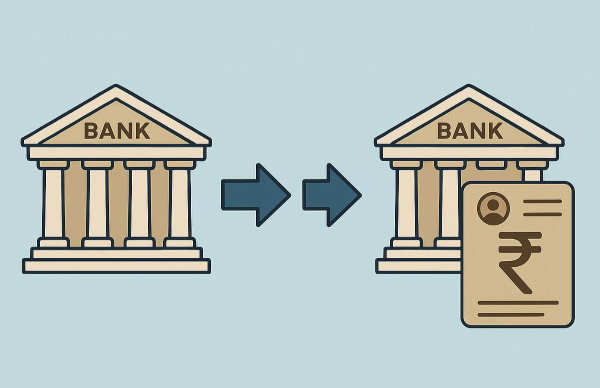
Since 2017, the government has merged ten banks into four banks, reducing the total number of banks from 27 to 12. Here's the list of biggest mergers since 2017:
1. State Bank Of India (April 2017):
The largest PSU lender merged six of its own associate banks namely State Bank of Bikaner And Jaipur, State Bank of Hyderabad, State Bank of Patiala, State Bank of Mysore, State Bank of Travancore, and Bharatiya Mahila Bank.
This made SBI the largest PSU bank in India.
2. Bank of Baroda (April 2019)
Bank of Baroda emerged as the second largest bank in PSUs after merging Vijaya Bank and Dena Bank.
3. Punjab National Bank (April 2020)
PNB merged Oriental Bank of Commerce and United Bank of India, which led the lender to become second largest PSU bank in India.
4. Canara Bank (April 2020)
Canara Bank has taken Syndicate Bank into its ambit.
5. Indian Bank (April 2020)
Indian Bank also merged with Allahabad Bank.
6. Union Bank of India (April 2020)
This lender merged Corporation Bank and Andhra Bank.
Which PSU Banks Have Not Merged?
At present, there are six banks who are not merged and operating as independent entities. These are:
1. Indian Overseas Bank
2. UCO Bank
3. Central Bank of India
4. Bank of Maharashtra
5. Punjab & Sind Bank
6. Bank of India
Which PSU Banks Will Merge Next?
Union Bank of India - Bank Of India Merger
As per various reports, potential merger of Bank of India with Union Bank of India is being evaluated. The two banks are headquartered in Mumbai.
Indian Overseas Bank - Indian Bank Merger
Based in Chennai, Indian Overseas Bank and Indian Bank are reportedly seen as next big merger due to the potential of expanding credit market in the southern region of India.
Punjab & Sind Bank - Bank of Maharashtra Merger
PSB is backed by Punjab National Bank, and its merger with Bank of Maharashtra is reportedly being reviewed as well.
However, reports have also said that the government is likely to construct four large PSU banks by merging smaller lenders. If this move takes place, then SBI, PNB, and Bank of Baroda may have to take more banks under their umbrella. Also, if Union Bank is merged with Bank of India, it will make the former as second largest lender after SBI under the PSB category.
It is said that the government is most likely evaluating proposals to merge Indian Overseas Bank, Bank of Maharashtra, Central Bank of India, and Bank of India with mega PSBs like State Bank of India, Punjab National Bank, and Bank of Baroda. The reason behind this is to improve operational efficiency, reduce NPAs, and compete on a world-scale basis.
Could Fewer and Larger Banks Mean Better Banking?
As per Angel One report, the consolidation aims to optimise resources and strengthen digital banking infrastructure. Rising operational costs and a surge in non-performing assets have weakened smaller banks' sustainability. Fewer but larger banks will allow better capital utilisation, quicker policy execution, and increased global competitiveness, aligning with the NITI Aayog's recommendations to revamp the sector.
Disclaimer: The views and recommendations expressed are solely those of the individual analysts or entities and do not reflect the views of Goodreturns.in or Greynium Information Technologies Private Limited (together referred as "we"). We do not guarantee, endorse or take responsibility for the accuracy, completeness or reliability of any content, nor do we provide any investment advice or solicit the purchase or sale of securities. All information is provided for informational and educational purposes only and should be independently verified from licensed financial advisors before making any investment decisions.
For investment related articles, business news and mutual fund advise



 Click it and Unblock the Notifications





 Sign in with Google