After a long day of chaos, both Israel and Iran have finally halted throwing their missiles and bombs at each other. Israel has called its troops back, while Iran agreed to follow the ceasefire. The feelings between Israel and Iran are mutual; if either of them breaks the ceasefire in the future, the war will resume. But for now its calm, but has the storm faltered in the Middle East? No! In fact, the latest 12-day war between Israel and Iran has opened the floodgate of challenges for the global economy, including India.
In the late hours of June 23, US President Donald Trump confirmed both Iran and Israel had agreed to a ceasefire. However, the deal he brokered between the two Middle Eastern countries crumbled when both parties claimed they were attacked after the ceasefire came into effect, and the result was a barrage of missile explosions and booms in the both places during the mid-morning of Tuesday, June 24.
Iran-Israel Ceasefire Implemented:
Following this, Trump intervened once again when he was en-route to a NATO summit in the Netherlands. Trump asked Israel to bring back its troops and not drop any bombs on Iran, or else it will be a major violation. Prime Minister Benjamin Netanyahu announced that Israel has halted all attacks on Iran after a call with Trump.
During the 12-day war that began on June 13, 610 Iranian people lost their lives, while 4,700 others were injured, as per Iran's local media report. Meanwhile, the death toll in Israel is marginal to 29 people, but hundreds were reported injured from Iran's missile attacks.
On June 13, Israel carried out an operation called 'Rising Lion' where its main objective was to remove a double existential threat - on both the nuclear issue and ballistic missiles from Iran.
Israel confirmed they have achieved their goals and have superiority over Tehran's skies. Iran boasted about their missile attacks on Israeli soil, which was majorly targeting civilian locations. However, the Iron Dome of Israel was active and intercepted most of the threats.
Despite the ceasefire, Trump stays firm that Iran will never rebuild their nuclear facilities. The world reacted to the ceasefire positively, with Russia's President Vladimir Putin supporting the development.
However, the 12 days of Israel and Iran have taught a great lesson to the world economy, and the tensions in the Middle East are far from over!
Is Tensions In Middle East Over?
"The recent 12-day conflict between Israel and Iran has exposed India's external vulnerabilities, particularly in energy security and trade logistics. While the U.S.-brokered ceasefire on June 23, 2025, has led to a short-term correction in oil prices and improved market sentiment, the structural risks remain unresolved," said, Mahendra Patil, Founder and Managing partner at MP Financial Advisory Services LLP.
The expert highlighted that the war resulted in rising freight costs, disrupted trade routes through the Strait of Hormuz, and volatility in crude oil markets, which pose immediate challenges to India's inflation management and current account stability.
Though there is a fragile ceasefire, Patil added, "any further geopolitical triggers could reignite tensions, placing pressure on exporters, MSMEs, and key sectors dependent on Middle East trade. It calls for a proactive policy response including energy import diversification, rupee-based trade settlements, and targeted support for vulnerable industries."
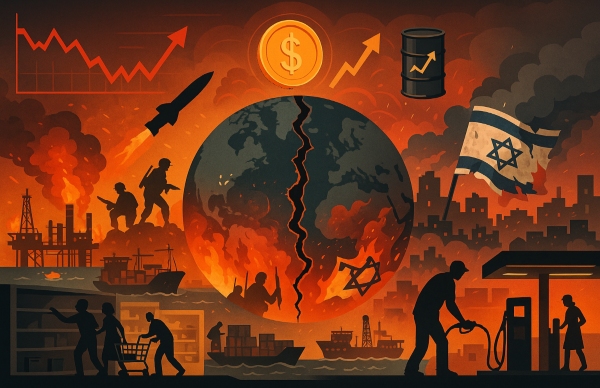
Here are the challenges for India after IRAN-ISRAEL's 12-Day War:
According to the expert, here's how sectors will be impacted in India:
Crude prices surged above $90/bbl during the height of the conflict before correcting to ~$66-$69/bbl post-ceasefire. A further escalation could significantly increase India's oil import bill and strain inflation management, already complicated by rising logistics costs.
Exporter Stress & Trade Disruptions:
Indian exporters, particularly in agriculture, engineering goods, and chemicals, face higher freight and marine insurance costs. The Middle East accounts for a sizable share of India's exports, and even temporary disruptions are affecting MSME margins and delivery timelines.
Remittances & Currency Outlook:
Remittances from the Gulf, a critical foreign exchange inflow, may face medium-term risk if regional instability intensifies. The Indian rupee, already under pressure, could weaken further in such a scenario, offsetting some export benefits.
What Should Investors Do?
As per Patil, the Israel-Iran conflict has added a new layer of volatility to India's external sector. While the immediate market panic has eased, India must prioritize diversification in energy sourcing, expand rupee trade settlements, and provide relief measures for affected exporters. A close monitoring of commodity markets, shipping logistics, and geopolitical developments, particularly involving the Strait of Hormuz, a vital oil shipping channel, is warranted.
Amidst geopolitical cruciality, Sensex is currently at 82,055.11, with its YTD performance up by 4.5%. Meanwhile, Nifty is at 25,044.35 and has gained 5.5% YTD, outperforming Sensex.
So far in 2025, FIIs are broadly net sellers with an outflow of Rs 1,33,083.47 crore in the Indian stock market, on the other hand, DIIs have made strong buying year-to-date with an inflow of Rs 3,52,489.13 crore. Over the past month, the Indian Rupee has weakened by nearly 1% against the US dollar, but is down by 3.02% in the last 12 months.
Disclaimer: The recommendations made above are by market analysts and are not advised by either the author, nor Greynium Information Technologies. The author, nor the brokerage firm nor Greynium would be liable for any losses caused as a result of decisions based on this write-up. Goodreturns.in advises users to consult with certified experts before making any investment decision.



 Click it and Unblock the Notifications





 Sign in with Google